Noah Kahan's "The Great Divide": Why Fans Connect to the Ballad
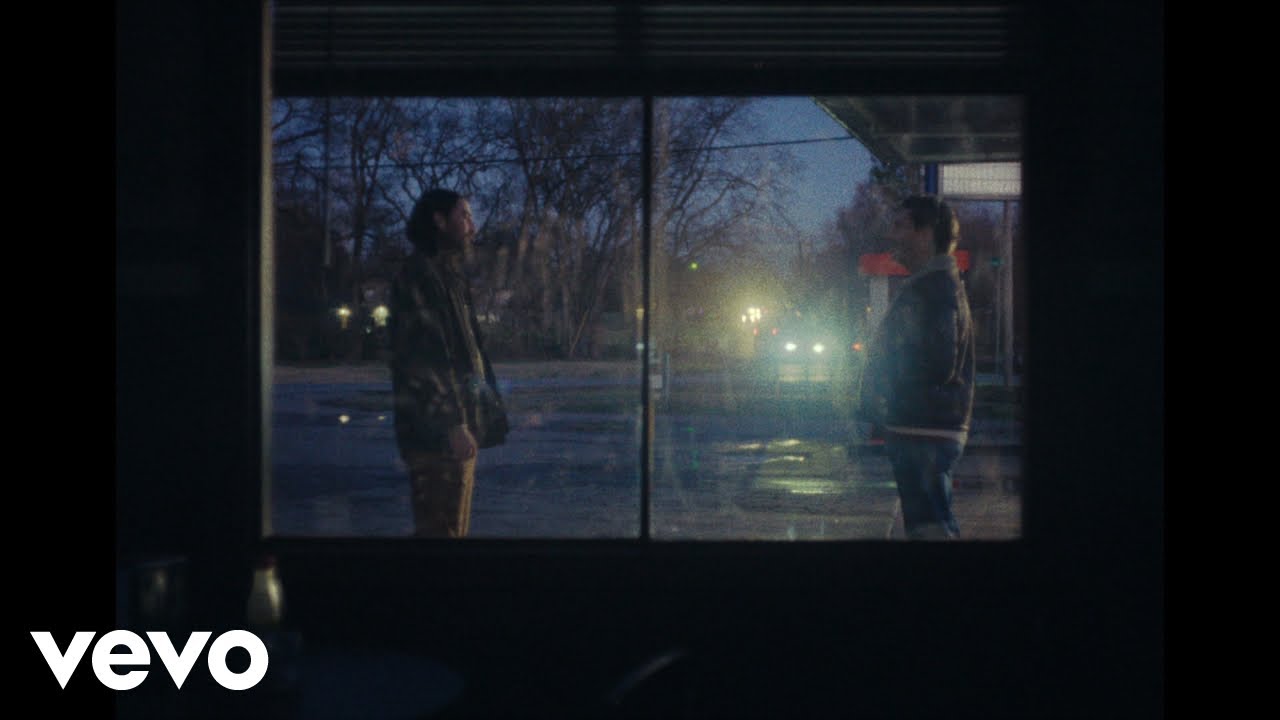
In the evolving landscape of folk-pop, Noah Kahan has carved out a unique space, resonating deeply with listeners through his raw, honest storytelling and soul-stirring melodies. His ballad, "The Great Divide," stands as a poignant testament to this connection, serving as the first pre-release single off Kahan’s highly anticipated upcoming album, also titled The Great Divide, set for release on April 26, 2026. Penned two years prior to its release and performed sporadically before its official unveiling, the song has already captured the hearts and minds of fans, proving once again Kahan's unparalleled ability to articulate universal human experiences.
More than just a song, "The Great Divide" is an emotional odyssey into the complexities of changing relationships, personal growth, and the silent spaces that grow between people as lives diverge. It explores themes of misunderstanding, unspoken regret, and the painful recognition of how much things can change, even between those who once shared everything. It's a ballad steeped in introspection, delivered with the soulful voice that has become Kahan's signature, inviting listeners to find solace and understanding in its verses.
Unpacking the Genesis: Noah Kahan's Vision for "The Great Divide"
At its core, "The Great Divide" is a deeply personal reflection from Noah Kahan himself. As songs often take on a life of their own once released, Kahan's initial intention provides a powerful foundation for understanding its widespread appeal. He revealed that the song emerged from a period of significant personal change and a growing sense of disconnection. "My life had changed so much and I felt this real gap growing," Kahan explained, articulating the genesis of the song's central metaphor. This "divide" wasn't singular; it encompassed multiple facets of his life.
Kahan's struggle was multifaceted: he grappled with the chasm between his current self and an "old version" of him, the distance that had grown between him and the people he knew from his formative years, and the challenges of maintaining existing relationships amidst newfound fame and evolving life paths. This profound sense of emotional and experiential separation became the wellspring for "The Great Divide."
Crucially, Kahan emphasized that the song particularly focuses on "two people who grew up together, but maybe didn’t know each other as well as they thought." This speaks to the often-unspoken truths and hidden struggles within even the closest of friendships. The regret of unsaid words and missed opportunities for deeper connection resonates throughout the lyrics. As Kahan reflected, "A lot of my life recently has been realizing the things I wish I could have said to people and the things I wish I could have done differently, and so this song is kind of just an expansion of that." This candid admission of vulnerability is precisely why fans connect so viscerally to Noah Kahan Explains "The Great Divide": Unpacking Its Emotional Depth.
The Lyrical Tapestry: A Deep Dive into "The Great Divide"
The brilliance of "The Great Divide" lies in its meticulously crafted lyrics, which paint vivid pictures of a shared past tinged with present-day melancholy. Kahan's storytelling is both specific and universal, allowing listeners to project their own experiences onto his narrative. Consider the opening lines:
"I can't recall the last time that we talked
About anything but looking out for cops
We got cigarette burns in the same side of our hands, we ain't friends
We're just morons, who broke skin in the same spot"
This evocative imagery immediately establishes a bond born not of conventional friendship, but of shared recklessness and youthful defiance. The "cigarette burns" symbolize a permanent, almost tribal mark of their entwined past, despite the harsh declaration, "we ain't friends." It's a relationship defined by a shared history of breaking rules and perhaps, breaking themselves. This raw honesty sets the tone for the complex emotional landscape that follows.
The song progresses to highlight a growing chasm: "But I've never seen you take a turn that wide / And I'm high enough to still care if I die." Here, Kahan contrasts his own lingering self-preservation with the other person's seemingly reckless trajectory, a shift that sparks concern and a sense of helplessness. The attempts at understanding are met with a blunt "Fuck off," leaving Kahan in a silent reflection that echoes the deep misunderstanding:
"You know I think about you all the time
And my deep misunderstanding of your life
And how bad it must have been for you back then
And how hard it was to keep it all inside"
These lines reveal a profound empathy mixed with regret – a realization that he hadn't fully grasped the depths of the other person's struggles in their shared past. This sentiment is incredibly relatable to anyone who has looked back on a relationship with newfound understanding and a pang of sorrow for what they missed or couldn't help with at the time.
The ambivalent well wishes further complicate the narrative:
"I hope you settle down, I hope you marry rich
I hope you're scared of only ordinary shit
Like murderers and ghosts and cancer on your skin
And not your soul and what He might do with it"
This verse is a masterclass in emotional complexity. Is it sarcastic, a thinly veiled critique of superficial desires? Or is it a genuine, albeit despairing, wish for a comfortable life free from the profound existential dread that the person seems to carry? The contrast between "ordinary shit" and the fear for one's "soul" speaks volumes about the perceived depth of the other's internal turmoil. This nuanced approach to wishing someone well, even when there's an underlying pain, is a hallmark of Kahan's songwriting.
The titular "great divide" is physically manifested and emotionally explored as "You inched yourself across the great divide / While we drove aimlessly along the Twin State line." The Twin State line, referencing the border between Vermont and New Hampshire, serves as a literal and metaphorical boundary, symbolizing the diverging paths of two individuals. While their physical journey might have been shared, the emotional and psychological distance grew. The song culminates in a powerful moment of self-awareness and regret:
"And I'm finally aware of how shitty and unfair
It was to stare ahead like everything was fine"
This confession of complicity, of ignoring the signs, adds another layer to Kahan's self-reflective narrative. For a more detailed breakdown of these narrative layers, consider reading The Great Divide: Analyzing Noah Kahan's Story of Past Relationships.
Why Fans Resonate: The Universal Language of "The Great Divide"
The profound connection fans feel to "The Great Divide" transcends its specific narrative. It's a song that touches people on a visceral level, as Kahan himself noted. The emotional ballad, delivered with his distinctive soulful voice, is hard-hitting because it taps into incredibly common, yet often unexpressed, human experiences.
- Relatability of Changing Friendships: Life is a journey of constant change, and friendships, particularly those from adolescence, are rarely static. "The Great Divide" speaks to the pain of growing apart, of seeing friends choose paths different from your own, and the bittersweet nostalgia for a shared past that can never be fully reclaimed.
- The Weight of Unspoken Words: Kahan's regret over "the things I wish I could have said" resonates deeply. Many listeners carry the burden of uncommunicated feelings, misunderstandings that were never resolved, or advice that was never offered. The song validates these feelings, offering a cathartic release.
- Empathy for Hidden Struggles: The lines about "how bad it must have been for you back then" and the difficulty of keeping emotions inside are powerful. In an age of increasing awareness about mental health, this acknowledgment of another's silent suffering, and the regret of not seeing it clearly, strikes a chord.
- Authenticity and Vulnerability: Noah Kahan's music is celebrated for its unflinching honesty. "The Great Divide" is no exception, laying bare feelings of confusion, regret, and enduring care. This vulnerability creates a safe space for listeners to confront similar emotions within themselves.
- Ambiguity for Personal Interpretation: While Kahan offers his own interpretation, the lyrical depth and emotional breadth of "The Great Divide" allow fans to imprint their own stories onto the song. Whether it's a lost love, a fractured family relationship, or a changing sense of self, the "great divide" can manifest in myriad personal ways.
Beyond the Lyrics: The Broader Impact of Noah Kahan's Artistry
"The Great Divide" is not an isolated masterpiece but a crucial piece within the larger tapestry of Noah Kahan's artistic output. His consistent exploration of themes like home, growth, mental health, and the complexities of human connection, often set against the backdrop of New England's landscapes, has forged a powerful bond with his audience. His ability to fuse deeply personal narratives with universally understood emotions is what elevates his work.
The power of music to process complex emotions cannot be overstated, and Kahan excels at providing a soundtrack for this internal work. "The Great Divide," with its haunting melody and introspective lyrics, serves as a mirror for listeners to reflect on their own past relationships and personal evolutions. It’s a reminder that while divides may form, the act of acknowledging them and understanding their origins is a vital step toward healing and self-awareness.
As "The Great Divide" foreshadows the upcoming album, it reinforces Kahan's trajectory as a significant voice in contemporary music. His work encourages a collective introspection, fostering a community of listeners who find solace in shared experiences of vulnerability and growth. This ballad, like much of his catalog, stands as a testament to the enduring power of honest storytelling and the profound human need to connect, even across the widest of divides.
In essence, Noah Kahan's "The Great Divide" is more than just a song; it's a conversation starter, a catalyst for reflection, and a comforting assurance that the pain of change and misunderstanding is a shared human experience. Its resonant power lies not only in Kahan's unique voice and evocative lyrics but in its ability to articulate the unspoken emotional divides that shape all our lives.